
What players say
Woodland Sentinels: Tactical Defense stands out for its tight resource management and clever wave progression. The grid-based placement system forces players to think ahead, and the diverse unit abilities allow for creative strategies. Each wave feels distinct, and the difficulty curve is well-paced, offering a satisfying challenge without becoming frustrating. The fantasy theme is charming, and the game's focus on strategic depth over flashy effects makes it a solid choice for fans of the genre.
About this game
Core Defense Loop
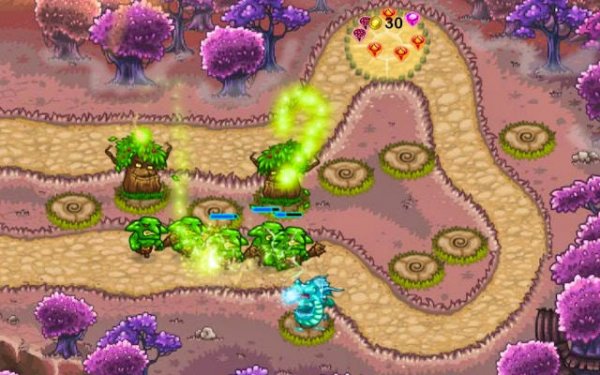
Woodland Sentinels: Tactical Defense centers on a straightforward but deep gameplay loop. Players begin each round with a fixed amount of gold, which they spend to position defensive units on a grid. These units automatically engage approaching enemies. Defeated foes yield additional gold, allowing for expansion or upgrades. The forest's energy reserve serves as a health bar; if too much is drained, the game ends. This cycle of earning, spending, and adapting repeats across waves, each introducing new threats that test the player's strategic thinking.
Unit Variety & Upgrades
The game offers a selection of defensive creatures, each with distinct abilities. Some units excel at slowing down fast enemies, while others deal heavy damage to armored targets. Players can invest gold to improve these units, increasing their range, damage, or special effects. Choosing which units to upgrade and when is a key part of the strategy, as resources are limited and each wave demands a different approach. Experimenting with different combinations is encouraged to find effective counters.
Wave Design & Difficulty
Progression in Woodland Sentinels: Tactical Defense is built around a series of waves that gradually increase in difficulty. Early waves introduce basic enemy types, allowing players to establish a foundation. Later waves mix faster, tougher, or more numerous foes, requiring adjustments to the defensive layout. The grid-based placement system adds a tactical layer, as players must cover multiple lanes and anticipate where threats will emerge. This structure keeps the gameplay fresh and rewarding for those who enjoy planning ahead.
Resource Management
Balancing spending between new units and upgrades is central to success. Gold is earned at a steady pace but never in abundance, forcing players to prioritize. Investing in upgrades early can pay off later, but neglecting to place enough units can leave gaps in the defense. The energy reserve adds another layer of tension, as losing too much forces a restart. This system encourages careful thought about each purchase and placement, making every decision feel impactful.
Strategic Adaptability
No single strategy works for every wave. Players must observe enemy patterns and adjust their lineup accordingly. For example, a wave of fast enemies might require units that slow them down, while a wave of heavily armored foes calls for high-damage attackers. The game rewards players who can read the situation and pivot their approach. This adaptability is what sets the experience apart from simpler tower defense games, offering a deeper challenge for strategy enthusiasts.


03 Player Comments
Sign in to comment
You must be logged in before posting a review or rating.
No account? Create one
No comments yet. Be the first to comment!